
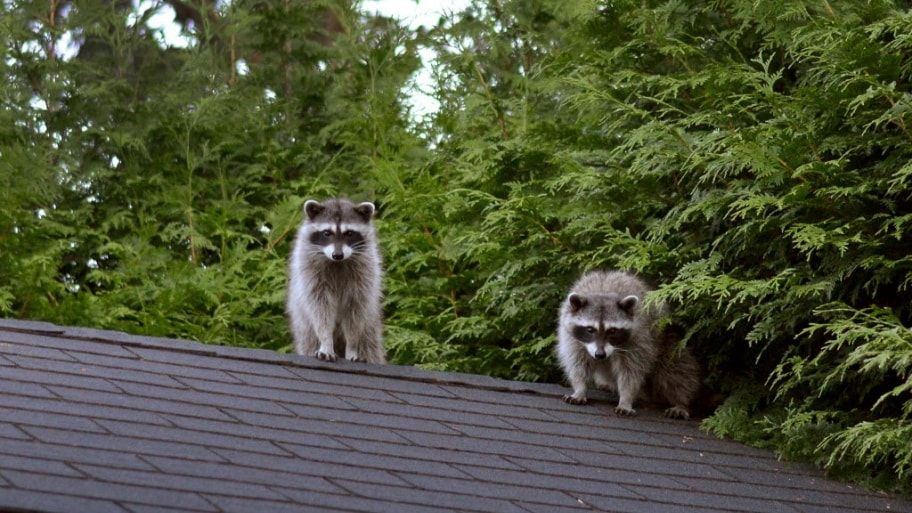
How Raccoons Get Into Attics: 7 Entry Points & Prevention Tips
If you’ve heard scratching, thumping, or chattering noises coming from your attic at night, you’re not alone. Raccoons are incredibly intelligent animals with nimble paws and persistent personalities, making them experts at finding their way into homes across Southern Ontario. Understanding how these masked bandits gain entry is the first step in protecting your home from a costly and potentially dangerous infestation.
Raccoons don’t need a formal invitation to move into your attic. They’re opportunistic creatures looking for warm, safe spaces to build nests, raise their young, and escape predators. Your attic offers everything they need: shelter from harsh weather, protection from threats, and often easy access to food sources nearby.
In this comprehensive guide, we’ll walk you through the seven most common ways raccoons infiltrate attics, the warning signs you need to watch for, and practical prevention strategies to keep your home raccoon-free. If you’re already dealing with a raccoon problem, our team at First Class Wildlife Removal specializes in humane raccoon removal throughout Southern Ontario.
Why Raccoons Target Your Attic
Before we get into the entry points, it’s worth understanding why raccoons are so attracted to attics in the first place. These adaptable animals have thrived in urban and suburban environments because human structures often provide better shelter than natural habitats.
Attics are particularly appealing because they’re:
- Warm and dry: Perfect for nesting, especially during spring when female raccoons are preparing to give birth
- Protected: Safe from predators like coyotes and large birds of prey
- Quiet: Usually undisturbed by humans, allowing raccoons to rest during the day
- Elevated: Raccoons feel secure at height, mimicking their natural tree-dwelling instincts
- Near food sources: Close to garbage bins, gardens, and pet food
Once a raccoon finds a comfortable spot in your attic, they’re unlikely to leave on their own. That’s why early detection and prevention are so important. Regular wildlife inspections can help identify vulnerabilities before they become full-blown infestations.
Recognizing the Signs of Raccoons in Your Attic
Before we examine entry points, let’s make sure you know what to look for. Raccoons are nocturnal, so most activity happens at night when you’re trying to sleep. Here are the telltale signs:
Audible Clues
- Heavy thumping or walking sounds: Adult raccoons are large animals (15-40 pounds) and make noticeably heavy footsteps
- Scratching and clawing: You’ll hear these sounds as they dig through insulation or adjust their nests
- Vocal sounds: Chittering, chattering, growling, or even crying sounds (especially if there are babies)
- Activity between dusk and dawn: Most noise occurs at night when raccoons are most active
Visual Evidence
- Distinctive tracks: Raccoon prints look like tiny human hands with five toes, about 3-4 inches long
- Droppings: Dark, tubular feces often found in piles (raccoons create communal latrines)
- Damaged insulation: Torn, matted, or displaced insulation where raccoons have nested
- Entry holes: Visible damage on your roof, soffits, or vents
- Grease marks: Dark stains around potential entry points from the oils in their fur
Olfactory Indicators
Raccoons have a distinctive musky odor that becomes stronger with larger infestations. Combined with the pungent smell of their urine and feces, a raccoon problem often announces itself through your nose before your eyes. If you notice unusual odors coming from your attic, it’s time to investigate.
If you recognize any of these signs, don’t wait. Contact our professional raccoon removal team for a thorough inspection and humane removal plan.
7 Common Entry Points: How Raccoons Access Your Attic
Now let’s examine the specific vulnerabilities in your home’s exterior that raccoons exploit to gain access to your attic. Understanding these entry points is essential for effective prevention.
1. Roof Vents
Roof vents are one of the most common entry points for raccoons. These vents provide necessary airflow for your attic, but standard vents are often made from lightweight plastic or aluminum that raccoons can easily manipulate.
Raccoons have remarkably dexterous front paws with sensitivity comparable to human hands. They can grip, pull, and pry with surprising strength. A determined raccoon can lift a poorly secured vent cover, bend the edges, or even break through thin materials.
Prevention strategy: Install heavy-duty galvanized steel screens over your vents, secured with corrosion-resistant screws and washers. The mesh should be 16-gauge or thicker, with openings no larger than 1/2 inch. Standard hardware cloth won’t hold up against a persistent raccoon. Professional sealing and prevention services ensure these modifications are done correctly and won’t compromise your home’s ventilation.
2. Damaged or Missing Soffit Vents
Soffits are the horizontal surfaces under the eaves of your roof, and soffit vents provide critical airflow to prevent moisture buildup. Unfortunately, these vents are often positioned at convenient heights for climbing raccoons and may deteriorate over time due to weather exposure.
Raccoons can exploit even small gaps in soffit vents. They’ll tear away rotted wood, push through weakened screens, or widen existing holes. Once they’ve compromised one section, they can quickly expand the opening to accommodate their body size.
Prevention strategy: Regularly inspect your soffits for signs of damage, rot, or gaps. Replace any damaged sections immediately using weather-resistant materials. Reinforce soffit vents with metal mesh screening that’s securely fastened. Consider aluminum or vinyl soffits, which are more durable than wood and less susceptible to weather damage.
3. Chimneys Without Caps
An uncapped chimney is basically an open invitation for raccoons. From a raccoon’s perspective, chimneys closely resemble hollow trees (their natural denning sites). The dark, enclosed space provides excellent shelter, and the rough interior walls make climbing easy.
Female raccoons particularly favor chimneys for birthing their young. The enclosed space offers protection from predators and harsh weather, making it an ideal nursery. Unfortunately, raccoons in chimneys can create serious problems, including blocked flues, fire hazards, and the heartbreaking sounds of distressed baby raccoons.
Prevention strategy: Install a high-quality chimney cap made from heavy-gauge stainless steel or galvanized steel. The cap should have mesh sides (no larger than 5/8 inch openings) to prevent entry while still allowing smoke to escape. Make sure the cap is professionally installed and secured to prevent raccoons from knocking it off. A proper cap will also keep out birds, squirrels, and other wildlife.
4. Roof Edge and Shingle Damage
The roof edge is where your roof meets the fascia board, and it’s a surprisingly vulnerable area. Raccoons are strong and persistent, capable of pulling up loose or damaged shingles to create entry points. Even a small gap can be expanded into a raccoon-sized entrance.
Missing shingles, damaged flashing, or improperly sealed edges give raccoons the leverage they need to pry their way in. They’ll use their claws to tear away roofing materials and may cause extensive damage in the process.
Prevention strategy: Conduct regular roof inspections, especially after severe weather. Replace missing or damaged shingles promptly. Ensure all roof flashing is properly installed and secured. Pay special attention to areas where different roof planes meet, as these junctions often develop gaps over time. Consider installing metal drip edges to reinforce the roof perimeter.
5. Plumbing Mats and Pipe Openings
Where plumbing pipes or vents penetrate your roof, there’s typically a rubber boot or mat that seals the gap. These rubber components deteriorate over time due to UV exposure and temperature fluctuations, creating gaps that raccoons can exploit.
Builders often leave space under these rubber membranes for final adjustments during construction. Raccoons can easily tear through weathered rubber and squeeze through the existing gap into your attic. This entry point is particularly common because homeowners rarely think to check these spots.
Prevention strategy: Inspect all plumbing penetrations annually. Replace cracked or deteriorated rubber boots immediately. Install galvanized steel mesh around the pipe beneath the rubber boot for added protection. The mesh should be secured directly to the roof decking, creating a secondary barrier that raccoons can’t penetrate even if they damage the rubber.
6. Gable Vents
Gable vents are located at the peak of your home’s gable ends and provide cross-ventilation for your attic. While necessary for proper airflow, standard gable vents often have louvers or screening that’s inadequate for keeping out determined wildlife.
Raccoons can reach gable vents by climbing siding, trees, or nearby structures. Once there, they’ll test the vent for weak points. Plastic louvers are particularly easy for raccoons to break through, and thin screening won’t hold up to their strength.
Prevention strategy: Reinforce gable vents with heavy-gauge wire mesh (1/4 to 1/2 inch openings) installed behind the louvers. The mesh should be securely fastened to the frame with screws, not just staples. Keep trees and shrubs trimmed back at least 6-8 feet from your roofline to make access more difficult.
7. Fascia Boards and Eaves
The fascia board runs along the edge of your roof where gutters attach, and it’s often made of wood that can rot when repeatedly exposed to moisture. Raccoons are excellent at identifying rotted or weakened wood and will tear away these sections to access your attic.
Similarly, the eaves (the underside of your roof overhang) can develop gaps where they meet the exterior walls. These gaps are particularly common in older homes where settling has created separation between building components.
Prevention strategy: Replace rotted fascia boards with durable, weather-resistant materials like PVC or composite trim that won’t deteriorate. Ensure all connections between the roof, fascia, and soffit are tight and properly sealed. Consider installing metal fascia covers for added protection in vulnerable areas.
Why DIY Raccoon Removal Often Fails
You might be tempted to handle raccoon problems yourself, but there are several compelling reasons why professional help is usually necessary:
Legal Restrictions
Ontario’s Fish and Wildlife Conservation Act has strict regulations about wildlife removal. It’s illegal to relocate trapped raccoons more than one kilometer from where they were caught. Improper trapping methods that cause suffering can result in animal cruelty charges under the Ontario PAWS Act. Professional wildlife technicians understand and comply with these regulations.
Health Risks
Raccoons can carry serious diseases including:
- Rabies: A fatal viral disease that affects the nervous system
- Baylisascaris (raccoon roundworm): Parasites that can cause severe neurological damage in humans
- Leptospirosis: A bacterial infection that affects kidneys and liver
- Giardia: An intestinal parasite
Raccoon droppings and urine can contaminate your attic insulation, creating ongoing health hazards even after the animals are gone. Professional cleanup and repair services safely remove contaminated materials and sanitize affected areas.
Baby Raccoons
If you seal entry points without realizing there are baby raccoons in your attic, you could separate them from their mother, leading to their death and creating serious odor problems. Even more concerning, the mother will aggressively try to get back to her babies, often causing significantly more damage than what you started with by tearing through the roofing, vents, or soffits. Spring is baby season for raccoons, and professionals know how to handle these delicate situations safely.
Aggressive Behavior
Mother raccoons protecting their young can be extremely aggressive. Cornered raccoons may bite, scratch, or attack. These animals are stronger and more dangerous than most people realize. Professional wildlife technicians have the training, equipment, and experience to handle aggressive raccoons safely.
Incomplete Solutions
The biggest problem with DIY approaches is that they often address symptoms rather than causes. You might remove one raccoon, but if you haven’t identified and sealed all entry points, more raccoons will simply move in. Professional wildlife removal includes thorough inspections, complete exclusion work, and guaranteed results.
Effective Prevention Strategies
Preventing raccoons from entering your attic in the first place is far easier and less expensive than dealing with an established infestation. Here’s a comprehensive prevention plan:
1. Eliminate Food Sources
Raccoons are drawn to properties that offer easy meals. Make your property less appealing by:
- Using animal-proof garbage cans with locking lids or storing trash in your garage until collection day
- Bringing pet food indoors at night (don’t leave bowls outside)
- Cleaning up fallen fruit from trees promptly
- Securing compost bins with tight-fitting lids or storing them in sheds
- Removing bird feeders or using raccoon-proof designs that only birds can access
2. Reduce Water Access
Raccoons need water sources near their dens. Make your property less hospitable by:
- Fixing leaky outdoor faucets and hose connections
- Ensuring proper drainage around your foundation
- Covering or draining decorative ponds at night
- Keeping swimming pool covers secure
3. Manage Landscaping
Your yard’s layout can either discourage or encourage raccoon activity:
- Trim tree branches back at least 6-8 feet from your roofline
- Remove dense shrubs directly adjacent to your home’s foundation
- Clear brush piles and yard debris where raccoons might hide
- Install motion-activated lights or sprinklers in areas where raccoons typically travel
4. Schedule Regular Inspections
The best prevention is catching vulnerabilities early. Professional wildlife inspections identify weak points before raccoons do. We recommend annual inspections, especially before spring (baby season) and fall (when raccoons seek winter shelter).
5. Complete Professional Exclusion
For comprehensive protection, consider full-home exclusion services. Our technicians will:
- Conduct a thorough inspection of your entire roofline and exterior
- Identify all current and potential entry points
- Install heavy-duty screening, caps, and barriers at vulnerable areas
- Reinforce weak spots in soffits, fascia, and roof edges
- Provide a warranty on all exclusion work
Learn more about our comprehensive sealing and prevention services.
What to Do If Raccoons Are Already in Your Attic
If you’ve confirmed that raccoons have already moved into your attic, quick action is essential to minimize damage and health risks. Here’s what you should do:
Don’t Try to Force Them Out
Attempting to scare raccoons away or seal entry points while they’re inside often backfires. You might trap them, causing them to panic and create even more damage as they try to escape. Mother raccoons separated from babies will become extremely aggressive trying to reach their young.
Contact Professional Wildlife Removal
The safest, most effective approach is professional removal. Our team at First Class Wildlife Removal follows a proven process:
- Thorough inspection: We identify all entry points and assess the extent of the infestation
- Humane eviction: Using one-way doors and exclusion techniques, we allow raccoons to leave but prevent re-entry
- Baby removal: If there are babies, we safely remove and relocate them with their mother
- Complete exclusion: We seal all entry points with durable materials to prevent future problems
- Cleanup and restoration: We remove contaminated insulation, sanitize affected areas, and restore your attic
- Prevention recommendations: We provide guidance to keep your property raccoon-free long-term
Document the Damage
Take photos of any visible damage for insurance purposes. Many homeowners’ insurance policies cover wildlife damage, though coverage varies. Our team can provide detailed documentation to support insurance claims.
Consider Timing
While emergency removal is sometimes necessary, the ideal time for raccoon removal is either before baby season (early spring) or after babies are grown and mobile (late summer). However, if you have an active infestation causing damage or health concerns, don’t wait. We provide emergency wildlife removal services throughout Southern Ontario – contact us today.
The Hidden Costs of Raccoon Damage
Many homeowners underestimate the damage raccoons can cause. Beyond the obvious mess, raccoon infestations can result in:
Structural Damage
- Torn insulation: Raccoons rip apart insulation to create nests, significantly reducing energy efficiency
- Damaged wiring: Chewed electrical wires create serious fire hazards
- Compromised roofing: Expanded entry holes can lead to water leaks and extensive water damage
- Weakened structural elements: Urine and feces can soak into wood, causing rot and compromising structural integrity
Health Hazards
- Contaminated insulation: Raccoon waste creates biohazard conditions that require professional remediation
- Parasites: Fleas, ticks, and mites from raccoons can infest your home
- Respiratory issues: Dried fecal matter becomes airborne, potentially causing respiratory problems
- Disease transmission: Diseases can spread to household pets and family members
Secondary Infestations
Once raccoons have compromised your attic’s security, other wildlife like squirrels, bats, or birds may follow. Each species brings its own set of problems and requires specialized removal techniques.
Why Choose First Class Wildlife Removal
With over 10 years of experience serving Southern Ontario, we’ve built our reputation on humane, effective wildlife solutions. Here’s what sets us apart:
- Licensed and trained technicians: Our team has the knowledge and certification to handle wildlife safely and legally
- Humane methods: We prioritize non-lethal, ethical approaches that comply with Ontario wildlife regulations
- Comprehensive solutions: We don’t just remove animals; we identify causes, seal entry points, clean up damage, and prevent recurrence
- Guaranteed results: We stand behind our work with warranties on exclusion services
- Emergency availability: Same-day service available for urgent situations
- Local expertise: We understand Southern Ontario wildlife behavior and seasonal patterns
- Award-winning service: Recognized for excellence in customer satisfaction and wildlife management
We serve Hamilton, Brantford, Burlington, London, Cambridge, Kitchener, Waterloo, Guelph, and surrounding communities. Whether you’re in Hamilton, Brantford, London, or anywhere in between, we’re ready to help.
Frequently Asked Questions
Can raccoons come through the ceiling into my living space?
While rare, it’s possible. Raccoons typically stay in attics, but they can damage ceiling drywall or fall through weakened areas. If you hear scratching directly above living areas or notice ceiling stains, contact professionals immediately. The situation requires urgent attention.
How long does it take to remove raccoons from an attic?
The timeline varies depending on the situation. Simple evictions using one-way doors typically take 3-7 days as we allow raccoons to exit naturally. More complex situations involving babies or multiple animals may take 2-3 weeks to ensure humane removal. Complete exclusion work is usually completed within 1-2 days after animals are gone.
Will homeowner’s insurance cover raccoon damage?
Coverage varies by policy. Many insurance policies cover sudden damage caused by wildlife but may not cover gradual damage or the cost of animal removal itself. Check your policy or contact your insurance provider. We can provide detailed documentation and damage assessments to support claims.
What time of year are raccoons most likely to enter attics?
Spring (March to May) is peak season as pregnant females seek safe nesting sites for their babies. Fall (September to November) sees increased activity as raccoons search for winter shelter. However, raccoons can enter attics year-round if they find accessible entry points.
How can I tell if the raccoon has left?
Place crumpled newspaper or flour across suspected entry points. If it remains undisturbed for several consecutive nights, the raccoon has likely left. However, this method isn’t foolproof, especially if there are multiple entry points or baby raccoons present. Professional confirmation is recommended before sealing entries.
Are there humane repellents that work on raccoons?
Most commercial repellents have limited effectiveness. Raccoons quickly become accustomed to scent-based deterrents, and motion-activated devices may work temporarily but aren’t long-term solutions. The only reliable approach is physical exclusion, sealing entry points with materials raccoons cannot breach.
Take Action Today
Raccoons in your attic won’t resolve themselves. The longer you wait, the more damage they’ll cause and the more difficult removal becomes. Whether you’re hearing suspicious noises, you’ve spotted a raccoon on your roof, or you simply want to protect your home proactively, we’re here to help.
Our team provides fast, humane, and guaranteed solutions for raccoon problems throughout Southern Ontario. We offer:
- Free estimates and property assessments
- Same-day emergency service
- Humane removal methods that comply with all regulations
- Complete exclusion work to prevent future problems
- Professional cleanup and damage restoration
- Warranties on all exclusion services
Don’t let raccoons take over your attic. Contact First Class Wildlife Removal today for expert help you can trust. Call us for a free consultation and discover why Southern Ontario homeowners have relied on our services for over a decade.
Need Professional Raccoon Removal?
Our experienced team is ready to help. We provide humane, effective raccoon removal with guaranteed results throughout Southern Ontario.Get Your Free Estimate Today