
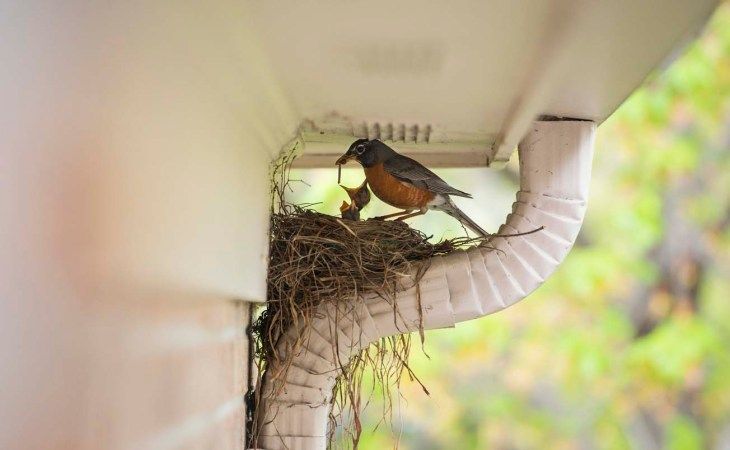
Chirping coming from your dryer vent or bathroom fan usually means one thing: a bird has built a nest inside the ductwork. Before you grab a coat hanger or run the exhaust to force it out, it’s worth knowing that pulling an active nest from a vent can put you on the wrong side of federal law. The Migratory Birds Convention Act protects most wild bird species in Canada, and vent nests are one of the most common places homeowners run into it without realizing. The rules vary by species and by what stage the nest is at, so treat this as a general guide and have a professional confirm your own situation before you touch anything.
Why You Can’t Just Pull a Nest Out of a Vent
The Migratory Birds Convention Act, 1994 makes it illegal to kill, injure, or disturb a migratory bird, or to damage, destroy, remove, or disturb its nest while the nest is in use. In practice, that means a nest with eggs or chicks inside your dryer vent is legally protected, even though it’s sitting in a vent you own and use every day.
Environment and Climate Change Canada enforces the Act, and enforcement officers do follow up on complaints, particularly ones involving contractors or property owners who clear nests during breeding season. A vent nest looks like a small thing to most homeowners; under the Act, it isn’t treated that way.
Not Every Bird in a Vent Is Protected
Species identification matters more than most people expect. House sparrows and European starlings, the two birds most likely to nest in a dryer or bathroom vent, are both introduced species and are not protected under the Migratory Birds Convention Act.
Native cavity nesters like house finches, barn swallows, wrens, and chickadees are a different story. If one of those species has moved into your vent, the nest and any eggs or young inside it are protected until the birds have fledged and left on their own.
This is exactly why a proper look before anyone touches the vent matters. Our wildlife inspections identify the species first, so you know whether you’re dealing with a protected nest or one that can be cleared right away.
What “Active” Means Under the Act
A nest is protected while it’s in use, meaning eggs are present, chicks haven’t fledged, or adults are still actively building or incubating. Once the young have left and the adults have moved on for the season, the nest generally loses that protection and can be removed.
The tricky part is telling the difference from the ground. Some species raise two or three broods a season in the same nest, so a vent that looks quiet in June can have a second clutch of eggs by July. Guessing wrong is how well-meaning homeowners end up disturbing an active nest without meaning to.
The Vent Problem Isn’t Just Legal
A nest packed into a dryer vent blocks airflow, and blocked dryer vents are a known house fire risk because lint and nesting material both ignite easily under heat. Bathroom and kitchen exhaust vents fare no better, trapping moisture behind the blockage and inviting mould inside the wall cavity.
Running the appliance anyway, which is the instinct for a lot of homeowners, pushes hot air directly onto the nest and can injure or kill any chicks inside it. That’s a welfare problem on its own, and if the species is protected, a legal one too.
What to Do If You Find a Nest in Your Vent
Turn the dryer or fan off and leave the nest alone until it’s been identified. Don’t reach in, spray anything into the vent, or try to flush the nest out with the appliance running.
Call a professional for a proper look. First Class Wildlife Removal offers a free estimate over the phone, and our technicians identify the species on site before recommending next steps, whether that’s a humane removal or simply waiting a few weeks for the birds to fledge naturally.
We handle bird nest removal humanely and within the rules that apply to the species involved, and we won’t touch a protected nest before it’s legal to do so.
Penalties for Getting It Wrong
Violations of the Migratory Birds Convention Act can carry fines, and Environment and Climate Change Canada has pursued both individuals and companies over nest removal done at the wrong time of year. Ontario’s Fish and Wildlife Conservation Act adds a second layer of protection for native species at the provincial level.
None of this means a nest in your vent is untouchable forever. It means timing and species identification decide what’s legal, and that’s not something worth guessing on.
Stopping the Next Nest Before It Starts
Once a nest has been vacated for the season, the long-term fix is sealing the vent opening with a proper cap or guard that still lets the appliance exhaust freely. A vent with no cover at all is an open invitation every spring.
Our sealing and prevention service closes off vents, gaps, and other entry points once a nest is cleared, so you’re not back in the same spot next breeding season.
Call Us for Bird Nest Removal
If you’ve found a nest in a vent anywhere in Brantford, Hamilton, or the surrounding area, our team can identify the species, explain what the law actually requires, and take care of the removal once it’s safe and legal to do so. Call today for a free estimate and to schedule your inspection.