
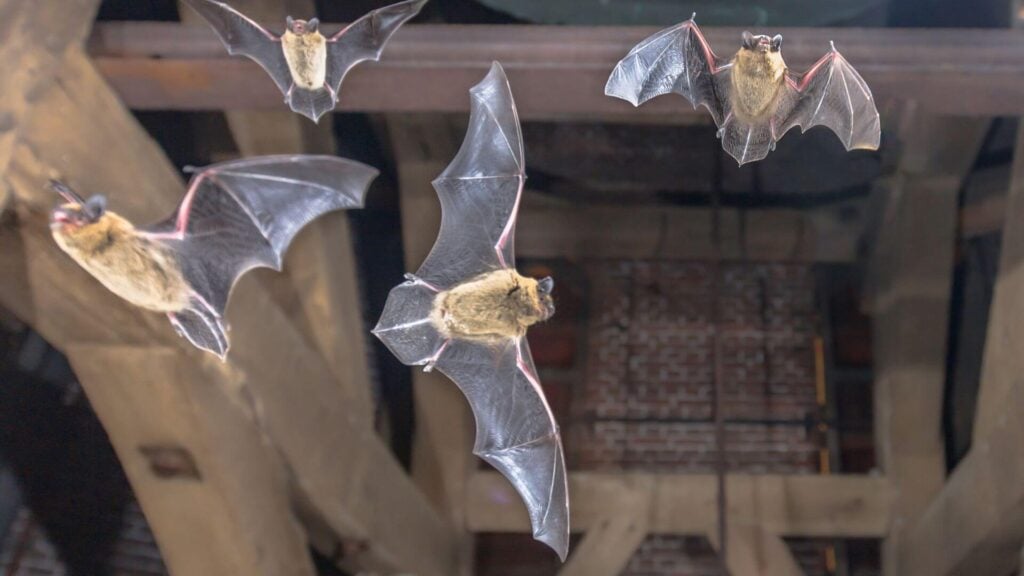
What to Do If a Bat Gets Into Your House: A Step-by-Step Safety Guide
Few things startle a homeowner like a bat swooping through the living room at dusk. It’s a common call we get across Brantford, Hamilton, and the surrounding area, and the good news is that a single bat indoors is almost always manageable when you stay calm and follow a clear plan.
A bat in the house can look chaotic, but the animal is far more frightened than you are, and it’s usually just trying to find its way back outside. Below is a practical, step-by-step approach you can follow safely, plus guidance on when to bring in professional help.
Stay Calm and Keep Track of the Bat
The first step is the hardest one: don’t panic. Waving your arms or chasing the bat only stresses the animal and makes it harder to guide outside. Instead, stand still and watch where it goes.
Bats often circle a room a few times before landing on a wall, curtain, or high corner to rest. Once you know roughly where it is, you can plan your next move calmly. Resist the urge to chase it from room to room, since more space just means more places for it to hide.
Isolate the Area
Once you’ve spotted the bat, limit how much of the house it can reach. Close interior doors to seal off the room it’s in, and shut doors to nearby hallways, bedrooms, and closets.
Move pets and children to another part of the home. A curious dog or cat will only agitate the bat. Containing it to one room makes everything that follows easier; you’re not trying to capture it, just keep it where it has a clear path to leave.
Create a Safe Exit Route
Bats want to be outside as much as you want them out. If the room has an exterior window or door, open it wide and remove the screen, since bats won’t squeeze through mesh. Then turn off the interior lights so the open air and cooler outdoor temperatures give the bat an obvious direction to head.
Step back and give it time. Many bats find their way out on their own within ten or fifteen minutes once the room is quiet and an exit is available. Patience usually does the work for you.
Avoid Direct Contact
This is the rule we stress most: never touch a bat with your bare hands. Even a small bat can bite if it feels cornered, and handling wildlife is a risk that isn’t worth taking. If the bat lands and won’t leave, don’t try to grab it with a towel or trap it under a container.
If anyone may have had direct contact with the bat, like a bite, or if you find one in a room where someone was sleeping, it’s wise to speak with a medical professional about the next steps. In those cases, calling in trained help for the removal is the safer choice. Our team handles humane bat removal without putting anyone in the household at risk.
Check for Signs of a Larger Bat Problem
Something we see constantly in the field: one bat indoors often isn’t a one-off event. A single bat can wander in by accident, but it can also signal that a colony has found its way into your attic or wall spaces. This is especially true in late spring and summer across Southern Ontario, when females gather in warm, sheltered spaces to raise their young. Attics make ideal roosts, and young bats sometimes drop into living areas as they learn to fly.
Common signs of bats in the attic
- Scratching, squeaking, or fluttering sounds overhead, usually around dusk and dawn
- Dark droppings (guano) collecting in the attic or below soffits and vents
- Brown or oily staining around small gaps in the roofline where bats squeeze in and out
- A faint ammonia-like smell building up in the attic over time
- Repeated bat sightings indoors over several days or weeks
If any of these sound familiar, the bat you saw downstairs may be part of a bigger picture, and an attic inspection is the only reliable way to know. Our bat removal experts can confirm whether a colony has moved in and map out how they’re getting access.
When to Call a Professional Bat Removal Company
Letting a lone bat out the window is one thing; a recurring problem is another. It’s time to bring in help when bats keep appearing indoors, when you suspect they’re roosting in the attic, or when you’ve found entry points that need sealing. Bats are protected wildlife in many situations, and the timing and method of removal matter, so professional guidance helps you handle it correctly and humanely.
Our trained technician identifies every entry point, installs one-way devices that let bats leave but not return, then seals the openings permanently once the roost is empty. As a local, owner-operated company, First Class Wildlife Removal has handled bat issues throughout Brantford, Hamilton, Cambridge, Woodstock, and Burlington for years. If you’re seeing repeat bat activity, our bat control services start with a thorough inspection so nothing gets missed.
How to Prevent Future Bat Intrusions
Removing one bat solves today’s problem, but keeping bats out for good takes prevention. That comes down to closing the gaps they use to get inside. Bats enter homes through surprisingly small openings, often no wider than a finger. The usual culprits are gaps in the roofline, loose or damaged soffits, unscreened attic and gable vents, chimney edges, and worn flashing where the roof meets walls.
Steps that make a real difference
- Roof inspections: Check the roofline, ridge caps, and fascia for gaps each spring and fall.
- Soffit and vent maintenance: Repair sagging soffits and screen any open vents that bats could slip through.
- Sealing entry points: Close small cracks and gaps with durable, weather-rated materials that hold up year-round.
- Professional bat exclusion: Have a technician confirm bats are out before sealing, so none are trapped inside.
- Ongoing maintenance: Keep an eye on the exterior, especially after storms that can loosen roofing materials.
Prevention is cheaper and less stressful than dealing with an established colony, and a single thorough sealing job can spare you years of repeat visits. Our professional bat removal services includes the exclusion and prevention work that keeps them from coming back.
The Bottom Line for Homeowners
If a bat gets into your house, stay calm, isolate the room, open an exterior exit, dim the lights, and give it a chance to leave on its own. Never handle it directly, and don’t ignore the possibility that more bats are nearby. The one you noticed indoors may be the first clue to a roost overhead, and a professional inspection finds the hidden entry points a quick glance can miss.
If you suspect bats are getting into your home or attic anywhere in Southern Ontario, reach out to First Class Wildlife Removal. We’ll inspect your property, explain exactly what’s going on, and put a humane, lasting solution in place.
Frequently Asked Questions
What time of year are bats most active in Southern Ontario?
Bats are most active from spring through early fall. They emerge from hibernation in spring, raise their young through summer, and become noticeable again in autumn as they prepare for the colder months. Most indoor sightings happen during these warmer stretches.
Will a bat in my house bite me if I leave it alone?
A bat that’s left undisturbed will almost always try to avoid people and head for an open window. Bites typically happen only when a bat is cornered or handled, which is exactly why we recommend giving it space rather than chasing or grabbing it.
How long does it take to remove bats from an attic?
It depends on the size of the colony and the number of entry points, but exclusion is a process rather than a single visit. One-way devices need time for every bat to leave before openings are sealed. Your technician can give you a realistic timeline after an inspection.
Can I just seal the entry points myself once I see them?
Sealing too early is one of the most common and costly mistakes. If bats are still inside, closing the openings can trap them in your walls or attic. Entry points should only be sealed permanently after a technician confirms the roost is empty.
Does seeing one bat mean I have an infestation?
Not necessarily. A lone bat can wander in by accident through an open door or window. However, repeated sightings, sounds in the attic, or droppings near the roofline suggest a colony, and an inspection is the best way to know for certain.