
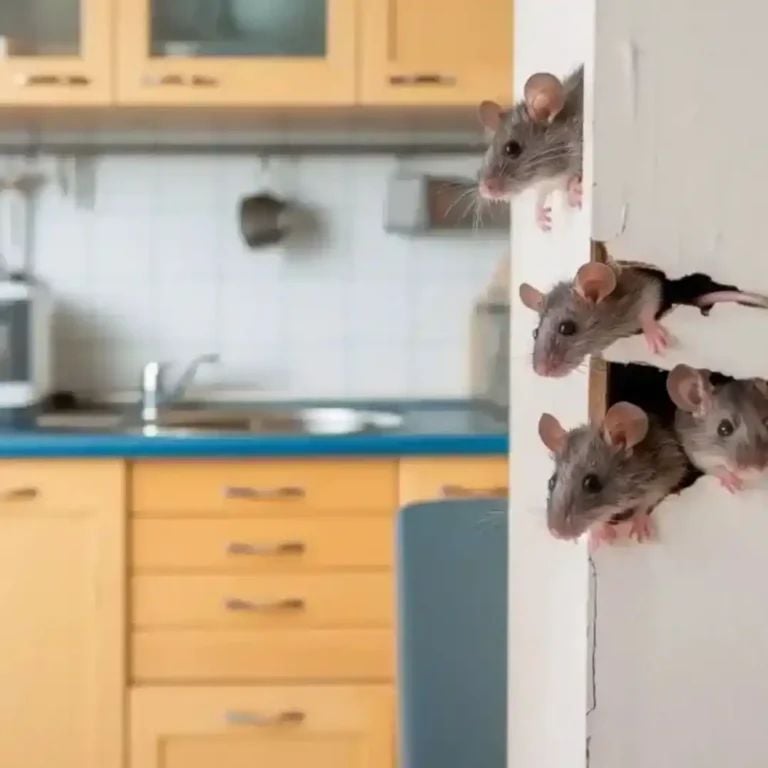
Mice in the Walls: How to Detect and Stop Infestations Early
That faint scratching sound you’re hearing at night isn’t your imagination. When mice move into your walls, they’re not just being noisy neighbors — they’re setting up an entire colony that can multiply rapidly and cause serious damage to your home. Early detection is your best defense against a full-blown infestation.
Homeowners across Hamilton, Brantford, and Southern Ontario know that mice don’t wait for an invitation. They’ll exploit the tiniest openings in your home’s exterior, and once they’re inside your walls, they waste no time building nests, chewing through materials, and reproducing at an alarming rate. Understanding the warning signs and taking swift action can save you thousands of dollars in repairs and protect your family’s health.
Why Mice Choose Your Walls as Their Home
Mice aren’t randomly wandering into your walls — they’re actively seeking the perfect habitat. Your home’s wall cavities offer everything these rodents need: shelter from predators and weather, insulation material for nesting, and easy access to food and water sources throughout your house.
During fall and winter months, mice become particularly motivated to find warm indoor spaces. A single female mouse can produce five to ten litters per year, with each litter containing up to a dozen babies. This means that what starts as one or two mice in September can become a colony of 30 or more by December.
Wall cavities also provide mice with protected highways throughout your home. They can travel between floors, access your attic, and reach your kitchen without ever being seen. This hidden network makes professional mice removal essential for truly eliminating an infestation.
Early Warning Signs of Mice in Your Walls
The earlier you catch a mouse problem, the easier it is to resolve. Here’s what to watch and listen for:
Nighttime Noises You Shouldn’t Ignore
Mice are nocturnal creatures, so most of their activity happens after dark. If you’re lying in bed and hearing scratching, scurrying, or squeaking sounds coming from inside your walls, you’re probably dealing with mice. These sounds often intensify between 11 PM and 3 AM when mice are most active.
Pay special attention to sounds that seem to move — this indicates mice are using your wall cavities as travel routes. You might hear activity near electrical outlets, baseboards, or where walls meet ceilings.
Physical Evidence Around Your Home
Droppings are one of the most obvious signs of mice. Mouse droppings look like small, dark grains of rice — typically about 1/8 to 1/4 inch long. You’ll usually find them along baseboards, in corners, inside cabinets, and near food storage areas. Fresh droppings appear dark and moist, while older ones are dry and gray.
Look for greasy smudge marks along walls and baseboards, too. Mice have oily fur that leaves dark streaks along their frequently traveled paths. These rub marks appear as dark smudges at mouse height, typically near floor level where they squeeze along walls.
Chewed materials provide another clear warning sign. Mice gnaw constantly to keep their teeth from overgrowing, so you might discover chewed cardboard, shredded insulation, gnawed wood, or damaged food packaging. Check behind appliances and in storage areas where mice feel safe to work undisturbed.
Unusual Odors
A musty, ammonia-like smell often indicates a mouse infestation. This odor comes from mouse urine and becomes stronger as the colony grows. If you notice this smell coming from walls, closets, or enclosed spaces, it’s time to call in professional rodent control services.
In severe cases, you might detect the smell of something dead in your walls. Mice don’t live long — usually only about a year — so deceased mice are common in established infestations. This requires immediate professional attention, as decomposing rodents create health hazards and attract other pests.
The Hidden Dangers of Mice Living in Your Walls
Beyond being a nuisance, mice in your walls pose serious risks to your property and health that many homeowners don’t fully appreciate until the damage is done.
Property Damage and Fire Hazards
Mice don’t distinguish between insulation and electrical wiring — they’ll chew through both with equal enthusiasm. Damaged electrical wiring creates a genuine fire risk in your home. According to studies, rodents are responsible for up to 25% of unexplained house fires in North America.
The structural damage extends beyond wiring. Mice shred insulation to build nests, reducing your home’s energy efficiency and increasing heating costs. They’ll chew through drywall, wood framing, and even plastic pipes. Once they’ve created openings, these become entry points for other pests and can lead to moisture problems.
If mice have already caused damage to your attic or walls, you’ll likely need professional cleanup and repair services to restore your home’s integrity and remove contaminated insulation.
Health Risks for Your Family
Mice carry diseases that can affect humans through several transmission routes. Their droppings, urine, and saliva can contain harmful pathogens including Hantavirus, Salmonella, and Leptospirosis. You don’t need direct contact to be at risk — simply breathing in dust contaminated with mouse droppings can make you sick.
For people with allergies or asthma, mouse infestations make symptoms worse. Proteins found in mouse urine, droppings, and dander become airborne and circulate through your HVAC system, triggering respiratory reactions. Children and elderly family members are particularly vulnerable to these health impacts.
Mice also bring parasites into your home, including fleas, ticks, and mites. These secondary pests can spread throughout your house and create additional health concerns for both humans and pets.
How Mice Are Getting Into Your Walls
Understanding entry points helps you prevent future infestations. Mice can squeeze through openings as small as a dime — about 1/4 inch. This incredible flexibility means they can exploit vulnerabilities you’d never suspect.
Common entry points include gaps around utility lines, cracks in your foundation, spaces around doors and windows, vents without proper screening, and gaps where different building materials meet. Older homes are especially vulnerable, as settling creates new cracks and gaps over time.
Weather stripping deteriorates, creating gaps under doors. Dryer vents, especially if the flap doesn’t close properly, offer easy access. Even small gaps around pipes where they enter your home are like open doors for mice.
Once inside, mice follow wall studs and utility chases to move vertically through your home. This is how a mouse entering your basement can end up in your attic within days. Getting a professional wildlife inspection helps identify all the vulnerable points in your home before mice find them first.
Why DIY Mouse Control Often Falls Short
You’ve probably seen the store-bought traps, poisons, and repellents that promise to solve your mouse problem. While these might catch a few mice, they rarely address the full scope of an infestation, especially when mice are living in your walls.
Store-bought traps only work if you place them exactly where mice travel, which is difficult when they’re living inside your walls. You’re essentially playing a guessing game about their routes and habits. Even if you trap some mice, you’re not addressing the entry points, meaning new mice will simply move in to replace them.
Poison products create their own problems. Mice often eat the poison and then retreat into your walls to die, leaving you with dead rodents in inaccessible locations. The smell of decomposition can last for weeks, and you’ll need professional help to locate and remove the carcasses.
Perhaps most importantly, DIY approaches don’t provide the comprehensive solution needed for lasting results. You’re treating symptoms rather than solving the underlying problem.
Professional Detection and Removal Methods
Professional wildlife removal technicians have tools and expertise that go far beyond what’s available to homeowners. Here’s what sets professional service apart:
Comprehensive Property Assessment
A thorough inspection identifies not just where mice are, but how they’re getting in and what’s attracting them. Technicians examine your home’s exterior, checking foundation cracks, utility penetrations, roof edges, and siding gaps. They inspect attics, basements, and crawl spaces for signs of activity and nesting.
This comprehensive approach reveals the full extent of your infestation. You might think you have a few mice in one wall, but a professional inspection often uncovers multiple colonies in different areas of your home.
Strategic Removal and Exclusion
Professional removal isn’t about setting a few traps and hoping for the best. It’s a systematic approach that uses multiple strategies simultaneously. Technicians place traps strategically based on mouse behavior patterns while carefully monitoring results to track progress and ensure the infestation is fully eliminated.
The exclusion phase is particularly important. This involves sealing every entry point with materials mice can’t chew through — like steel wool, metal flashing, and specialized sealants. Proper sealing and prevention ensures mice can’t return once they’re removed.
Sanitation and Prevention
After removing the mice, contaminated insulation, droppings, and nesting materials must be cleaned up safely. Professionals use proper protective equipment and follow protocols that prevent disease transmission. They also sanitize affected areas to eliminate odors that might attract new mice.
The final step involves making your home less attractive to future invasions. This might include recommendations about food storage, clutter reduction, and yard maintenance that discourages rodents from approaching your property.
What to Expect During Professional Mice Removal
Understanding the removal process helps you know what to expect when you call for professional help:
Initial Inspection: A licensed technician thoroughly examines your property, inside and out. They’ll identify active infestations, locate entry points, assess damage, and determine the best removal strategy for your specific situation.
Treatment Plan: You’ll receive a detailed explanation of what’s needed, including the extent of the infestation, recommended removal methods, entry point sealing, and estimated timeline. Good companies provide written estimates with no surprises.
Active Removal: Technicians implement the treatment plan using effective methods. This typically involves multiple visits to monitor progress and adjust strategies as needed. Most infestations are resolved within two to four weeks.
Exclusion Work: Once mice are removed, all entry points are sealed using professional-grade materials. This is the most important step for preventing future infestations.
Follow-Up: Reputable companies guarantee their work and provide follow-up inspections to ensure the problem is completely resolved. If new activity is detected during the warranty period, they return at no additional cost.
Preventing Future Mouse Infestations
Once you’ve eliminated mice from your walls, keeping them out requires ongoing vigilance. Here’s how to protect your home long-term:
Seal Entry Points Proactively
Don’t wait for mice to find new ways in. Conduct seasonal inspections of your home’s exterior, especially before fall when mice start seeking winter shelter. Look for new cracks, gaps, or damage that could become entry points.
Pay special attention to areas where different materials meet, around utility penetrations, and anywhere weather stripping has deteriorated. Even small gaps should be sealed immediately — remember, mice only need 1/4 inch to squeeze through.
Eliminate Attractants
Store all food in airtight containers, including pet food. Don’t leave dirty dishes sitting overnight, and clean up spills immediately. Take garbage out regularly and use bins with tight-fitting lids.
Outside, keep firewood stacked away from your home’s foundation, trim vegetation back from exterior walls, and don’t leave bird seed or pet food outdoors. These attractants bring mice close to your home where they start looking for ways inside.
Maintain Your Property
Regular home maintenance makes your property less vulnerable. Fix leaky pipes and faucets — mice need water sources. Keep basements and crawl spaces dry using dehumidifiers if necessary. Clear clutter from storage areas since mice love hiding in undisturbed spaces.
Trim tree branches that hang over your roof, as these provide highways for mice and squirrels to reach your attic. Keep gutters clean to prevent water damage that can create gaps in your home’s exterior.
When to Call Professional Wildlife Removal
Some situations definitely require professional intervention. Don’t wait if you experience any of these scenarios:
- You’ve seen multiple mice or evidence of a growing population
- Mice activity continues despite your DIY efforts
- You can smell mice but can’t locate the source
- You’ve found extensive damage to insulation, wiring, or structures
- You suspect mice have spread to multiple areas of your home
- You have young children, elderly family members, or anyone with respiratory conditions
- You’re selling your home and need to resolve the issue quickly
For homeowners in Hamilton and surrounding areas, First Class Wildlife Removal provides comprehensive mice removal and wildlife control services. We also serve Brantford, Burlington, London, and communities across Southern Ontario. Our licensed technicians have over a decade of experience identifying, removing, and preventing mouse infestations.
The Cost of Waiting vs. Acting Now
Delaying professional mice removal might seem like a way to save money, but it usually costs you more in the long run. A small infestation handled quickly might cost a few hundred dollars. Wait several months, and you’re looking at extensive exclusion work, insulation replacement, electrical repairs, and sanitization — potentially thousands of dollars in total costs.
Beyond financial costs, consider the stress and health risks of living with a growing mouse population. Sleep disruption from nightly scratching sounds, worry about disease exposure, and the embarrassment of having guests in a home with a mouse problem all take a toll.
Most professional wildlife removal companies offer inspections and transparent pricing. You’ll know exactly what you’re dealing with and what it will cost to resolve it properly. Many homeowners are surprised to find professional removal is more affordable than they expected — especially compared to the cost of ongoing DIY attempts that don’t work.
Protecting Your Home Year-Round
Mouse problems aren’t just a winter issue, though that’s when most homeowners notice them. Mice are active year-round, and different seasons present different challenges.
Spring brings breeding season, when mouse populations explode. Summer offers abundant outdoor food sources, but drought can drive mice indoors seeking water. Fall triggers the migration indoors as mice prepare for winter. Winter forces mice to stay inside once they’ve found a warm location.
This means prevention needs to be a year-round effort, not just a fall fix. Regular inspections, maintaining exclusion work, and staying vigilant for early warning signs will keep your home protected through every season.
If you’re dealing with other wildlife intrusions, remember that mice aren’t the only animals that can invade your walls and attic. Raccoons, squirrels, and skunks each require specialized removal techniques, and identifying the right approach is essential for success.
Take Action Today to Protect Your Home
Those scratching sounds in your walls won’t go away on their own. Mice don’t just leave when the weather warms up — they establish permanent colonies and continue reproducing as long as conditions support them. Every week you wait allows the population to grow, the damage to worsen, and the health risks to multiply.
The good news is that with professional help, you can eliminate your mouse problem completely and prevent future infestations. First Class Wildlife Removal offers comprehensive mouse detection, removal, and exclusion services throughout Southern Ontario. Our technicians use effective, responsible methods and guarantee results.
We understand that discovering mice in your walls is stressful. That’s why we work quickly to resolve your infestation with minimal disruption. Our team has successfully helped thousands of homeowners across Southern Ontario eliminate mice and reclaim their homes.
Don’t let a small mouse problem become a major infestation. Early detection and professional removal save you money, protect your property, and safeguard your family’s health. Contact First Class Wildlife Removal today and take the first step toward a mouse-free home.